History and Art History
History and Visual Arts theory are examined mainly through written answers and essays. Amanda Ceglowski teaches the writing and analysis both subjects require.
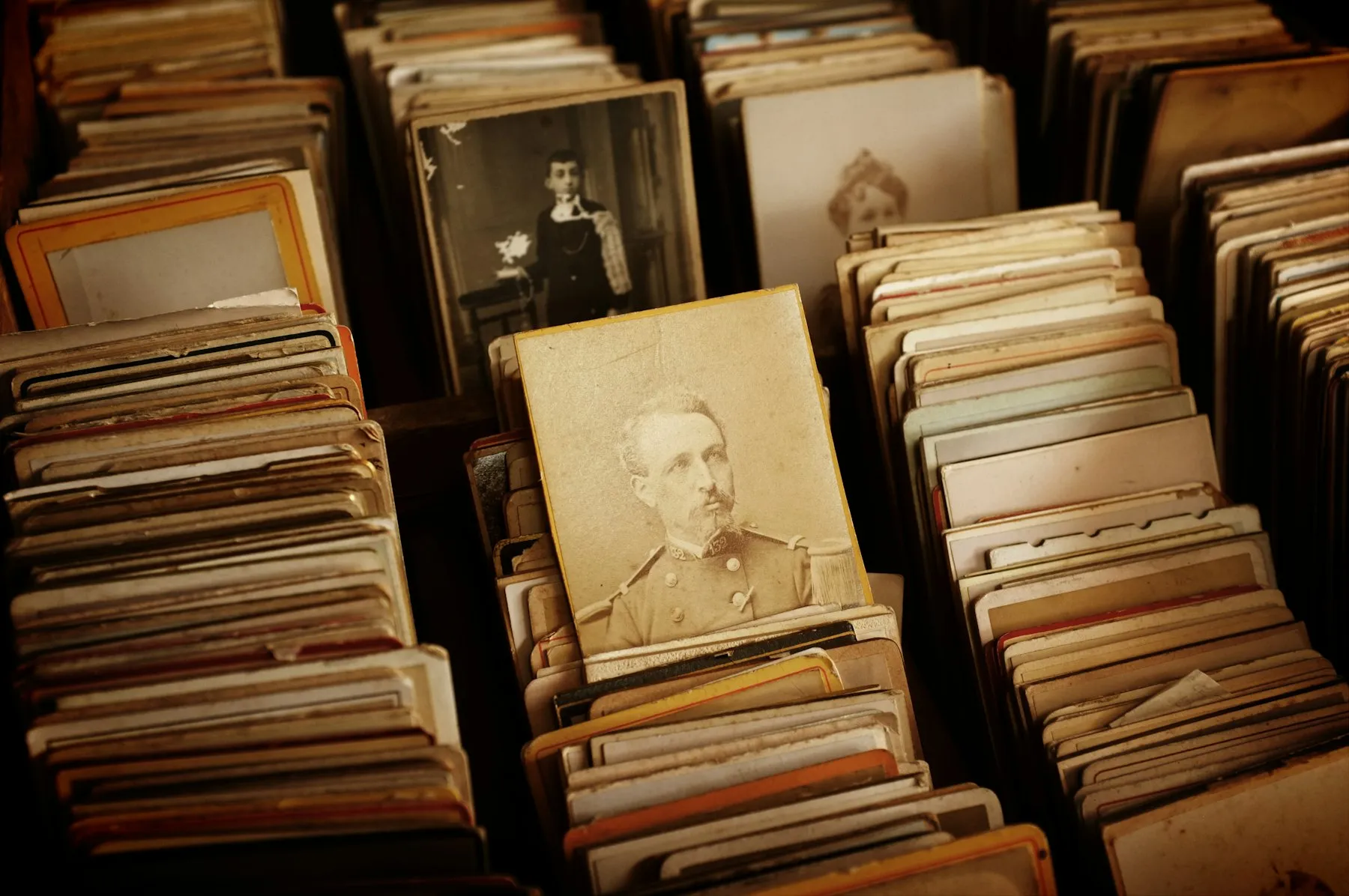
History involves a lot of content to learn, but in the NSC examinations a large share of History marks come from source-based questions, which ask learners to extract, interpret and evaluate evidence from documents, photographs and cartoons, and from extended essays. The marking guidelines describe what earns the top marks in an essay: an original, well-balanced and independent line of argument, supported by evidence and sustained to the conclusion.
Amanda Ceglowski teaches the source work and essay writing these questions require.
History
Amanda studied History at the University of Natal as part of her BA and Higher Education Diploma, and has taught it as an academic support subject at school and in her private practice. Lessons can include, for example:
- Working with sources. Identifying what a source says, what it implies, who made it and why, and how far it can be trusted.
- Essay structure. Moving from a question to a clear line of argument, building paragraphs that develop it, and writing a conclusion that follows from the evidence.
- Managing content. Turning a term’s worth of notes into revision material that can be learned and recalled under examination conditions.
She works with learners writing the DBE and IEB National Senior Certificate, and with Cambridge IGCSE and AS & A Level History candidates.
Art History
In the NSC, art history is examined as the theory component of Visual Arts. The IEB’s version of the paper is called Visual Culture Studies. The demands are similar to those of a literature paper. Learners have to look closely at an artwork and describe it in the correct terminology, place it in its social, political and historical context, and write about it in structured paragraphs rather than lists of facts.
Amanda taught Art Theory as an academic support subject at St Mary’s DSG. Learners whose strength is practical artwork sometimes find the writing in the theory paper difficult, and help with analysis and essay technique can improve their mark.
The subjects in between
Over the years Amanda has also taught sections of the Geography, Life Orientation, Life Sciences, Business Studies and Consumer Studies syllabuses up to Grade 12, mostly the parts that depend on reading, comprehension and structured written answers. She does not teach senior Mathematics, Accounting or Physical Sciences, and will say so when another tutor would serve a learner better. At primary school level she is qualified to teach all subjects.
Format
History and Art History learners can work in groups, particularly when they are preparing the same section of the syllabus or the same artists and movements. One-to-one lessons are available for learners who need focused help with essay writing or who are catching up on content.
Questions parents ask
Frequently asked questions
Do you teach the practical component of Visual Arts?
No. Amanda teaches the theory side of the subject, the history of art and visual culture, and the essay writing it requires. Practical artwork is taught at school.
Which other subjects can you help with?
Amanda has taught sections of Geography, Life Orientation, Life Sciences, Business Studies and Consumer Studies, mostly the parts that depend on reading, writing and structured answers. She does not teach senior Mathematics, Accounting or Physical Sciences. At primary school level she can teach all subjects.